
Strategy Through Execution
Why implementation discipline matters more than presentation volume.
Read insight →BESONG Insights helps leaders understand the strategic, operational, financial, legal, technological and institutional questions that determine whether transformation succeeds. Our content is written for decision-makers who need practical frameworks, not abstract commentary.
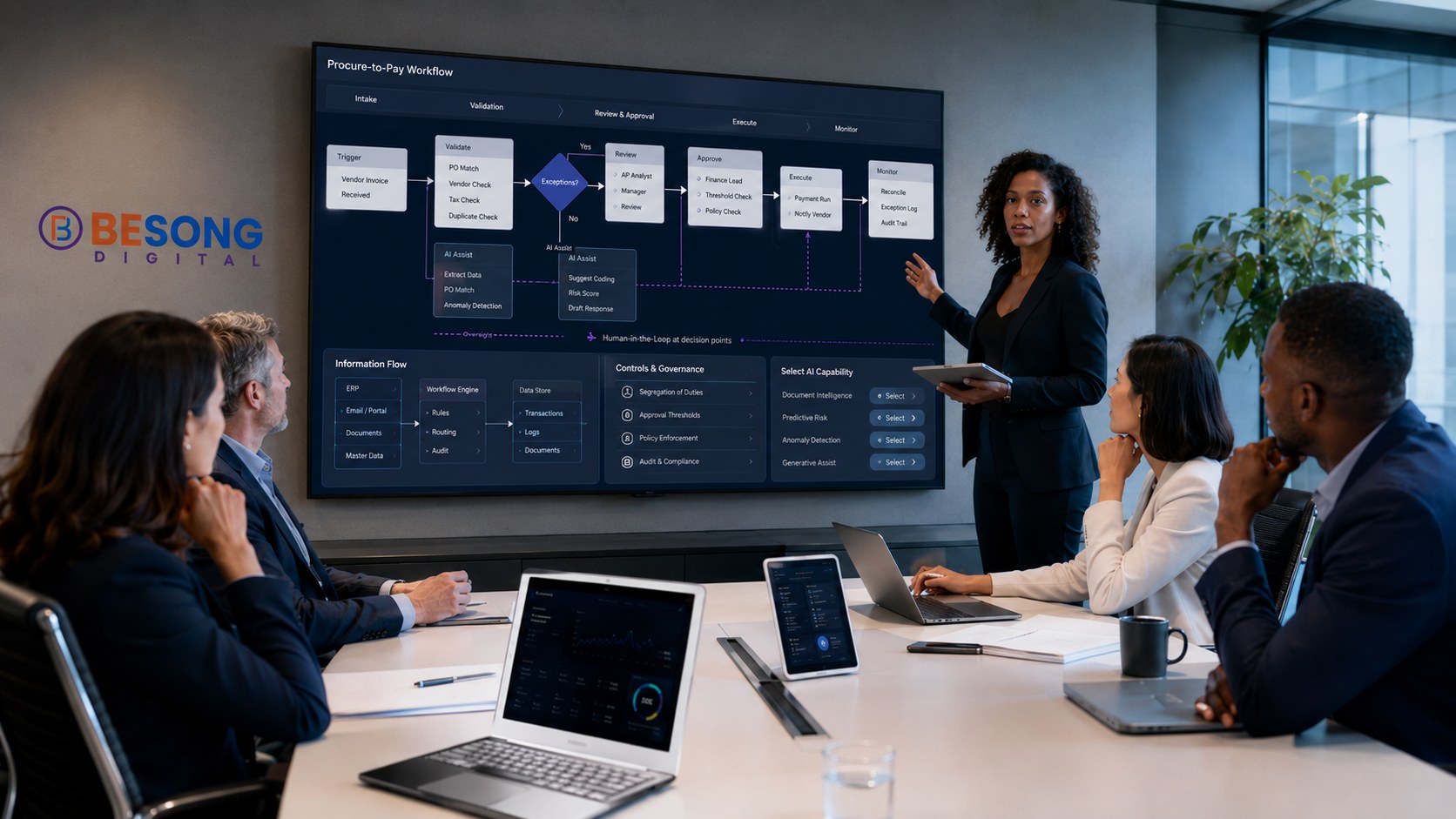
Our perspectives focus on what leaders must design, control and implement—not only what they should consider.
Why implementation discipline matters more than presentation volume.
Read insight →The structures, partners, people and workflows that make expansion deliverable.
Read insight →Why critical spares, logistics, contractors and ERP visibility must operate as one system.
Read insight →Why technology alone cannot repair unclear accountability or weak processes.
Read insight →Design technology around decisions, workflows, responsibilities and measurable action.
Read insight →Make public resources visible from allocation to outcome.
Read insight →Why Strategy Fails Between Approval and Execution
The governance, resources, workstreams and decision routines required to convert an approved strategy into delivery.
Operating-Model Design: The Bridge Between Strategy and Performance
How governance, processes, people, data and systems must align around the strategic choices.
The Transformation Office: When a PMO Must Do More Than Report
How to create a delivery office capable of resolving dependencies, decisions and implementation risk.
Why African Market-Entry Strategies Fail During Implementation
The structures, relationships, people, supply chains, compliance processes and controls that should exist before launch.
Choosing the Right African Market-Entry Model
How to evaluate greenfield investment, distributors, partnerships, acquisitions and joint ventures.
CEMAC Expansion: Designing One Regional Model Without Ignoring Local Reality
A practical framework for regional governance, suppliers, trade, tax, reporting and implementation.
Oil and Gas Mobilisation Begins with Materials Readiness
Why drilling schedules, suppliers, customs, logistics and critical spares must be managed as one system.
Oilfield-Service Contracts: Control Begins Before Mobilisation
How scope, acceptance, change control, personnel, equipment, evidence and invoicing reduce disputes.
Local Content That Protects Operational Performance
How operators can create national capability without compromising schedule, quality or safety.
Procurement Transformation Is an Operating-Model Decision
Why technology alone cannot repair unclear accountability, weak processes or fragmented supplier data.
Supplier Performance Systems That Create Measurable Value
How scorecards, governance and collaborative improvement turn supplier relationships into operating advantage.
From Fragmented Planning to One Connected Supply Chain
A practical model for demand, inventory, suppliers, warehouses and logistics.
Profit Is Not Cash: The Supply-Chain Decisions Behind Working Capital
How inventory, payment terms, receivables and planning affect liquidity.
M&A Value Is Won or Lost After Closing
How operating-model design, integration governance, systems and workforce alignment determine value realisation.
Structuring Joint Ventures That Survive Operational Reality
Why ownership, reserved matters, funding, procurement, data, local content, deadlock and exit must connect.
The First 100 Days After an African Acquisition
A priority framework for governance, finance, people, customers, suppliers, systems and control.
The Financial Controls Every Growing African Enterprise Should Establish
Core controls for banking, payments, procurement, payroll, inventory and reporting.
IFRS Readiness for Growing African Businesses
What management should assess before conversion, investment or external audit.
Building a Defensible Tax and Customs Evidence Process
How calendars, reconciliations, documents and ownership reduce cross-border risk.
What Management Should Do When Financial Fraud Is Suspected
Immediate governance, evidence-preservation and investigation steps.
ERP Implementation Should Begin with Decisions and Workflows
Why organisations must define processes, data, controls and ownership before configuration.
Responsible AI That Moves from Insight to Governed Action
Why source-linked analysis, access controls, human approvals and workflow integration matter.
One Version of the Truth Requires More Than a Dashboard
The data governance, ownership and control required for trusted enterprise reporting.
Government Traceability from Budget to Public Outcome
How connected procurement, contracts, payments, assets and programme evidence strengthen public control.
Public Procurement Modernisation Is More Than E-Tendering
Why planning, supplier identity, evaluation, contracts, payments and audit evidence must be connected.
State-Owned Enterprise Transformation: Balancing Public Purpose and Commercial Discipline
A framework for mandate, governance, finance, operations, ERP and shareholder performance.
Fraud Prevention Requires System Design
Why approval controls, access management, audit trails and exception handling must be built into operations.
Sovereign Data Control Without Creating New Information Silos
How governments can balance ownership, interoperability, access, resilience and institutional capability.
Project Control Begins Before the First Contract Is Awarded
The readiness, governance, risk, logistics and data foundations required for capital delivery.
From Local-Content Commitment to Measurable Capability
How supplier development, workforce planning and knowledge transfer create lasting value.
Supplier ESG as a Commercial Performance System
How to embed environmental, social and governance controls into sourcing and supplier management.